On Sunday October 13, the IELC attended the People’s History of the Inland Empire’s latest iteration of their project, Live from the Frontline. This iteration culminated in an exhibit curated by Catherine Gudis, Audrey Maier, and Jennifer Tilton in addition to a photography project, helmed by artist and educator Tamara Cedré. Supporting artists also include Adrian Metoyer III, Jonathan Arthurs, Fernanda Durazo, Rodney Muñoz, James M. Dailey, with the soundscape artist being Henry Apodaca, and finally the storyteller being Anthony Victoria.

The project intends to highlight “8 neighborhoods linked by the long history of logistics in the I.E.,” with Sunday’s unveiling focusing on Colton and Fontana.
In their own words, the project –
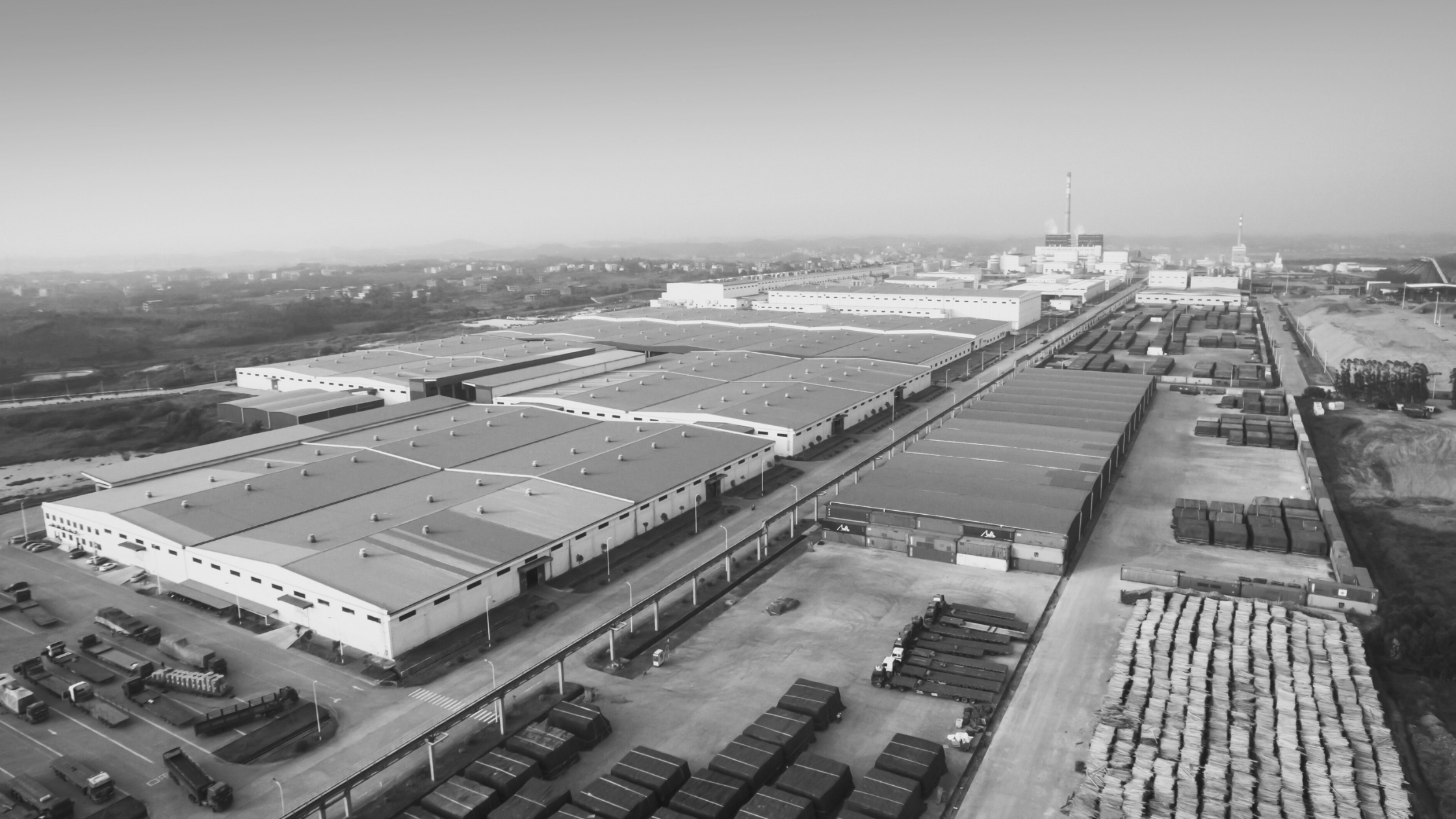
“Engages communities along the corridors of the supply chain, in the shadows of freeways, historic rail yards and military bases. The history of these frontline communities dramatizes how the ground was laid for today’s billion square feet of distribution warehouses, served daily by tens of thousands of trucks and trains. Live from the Frontline reveals the human impacts of economic systems that have large-scale environmental consequences shaping inequalities in public health, housing, and employment. The artworks portray the rise of a new empire of logistics out of the region’s agricultural landscape and military & industrial ruins.”
Fontana’s section focused on the effects of Kaiser Steel on the region. In which the closing of the company wiped out over 9,000 local jobs –most if not all of which were union– in addition to paving the way for logistics to overtake much of Fontana’s landscape.
Colton’s section looked at the land where a mountain was mined out of existence. This was Tahualtapa, or Mt. Slover, where a new mountain stands today. The only difference is that this one is of shipping containers. Tamara Cedré masterfully showcased how this hurt not just the workers, but the land.

The Leveled Top of Mt. Slover, 2024

Colton Plant, Riverside Portland Cement Co., Mt. Slover, 1954
The exhibit is on display now at the California Museum of Photography at 3824 Main St, Riverside, CA 92501. Be sure to visit if you’re interested in seeing how the Inland Empire’s land has changed along with its change of dominant industries. It’s imperative for the local community to understand the drastic impact of how “putting all our eggs in one basket” hurts the land and workers in the long-term. We must diversify the Inland Empire’s industries while working to unionize them!